The court rules tell you what the brief has to look like.
They don’t tell you how to make Word do it.
Master Tables of Authorities, Tables of Contents, section-based page numbering, and the rest of Word’s brief-formatting toolkit —
so the next deadline isn’t also a panic.
It’s 3:00 PM. The brief is due at 5:00. Everything’s almost there — except the Table of Authorities won’t generate properly, the page numbers in the front matter are showing up as “Page 1 of 47” instead of “i of v”, and the attorney is asking why the headings aren’t all the same size.
You’ve Googled. You’ve looked at the last brief that worked. You’ve tried to copy it. Word keeps fighting you.
If this scene feels uncomfortably familiar, you’re not alone. The hardest part of brief formatting isn’t the court’s rules. It’s translating those rules into Microsoft Word. And the courts don’t help — as far as they’re concerned, “C-1 of 4” page numbering and a properly-marked Table of Authorities are your problems to solve.
Is this you?
- The court’s local rules tell you exactly what the brief must look like — but not a single word about how to make Word produce it
- You’ve fixed the same Table of Authorities a dozen times and you still don’t fully trust it
- Your front matter (cover, TOA, TOC) needs different page numbering than the body of the brief, and Sections in Word feel like dark magic
- You inherited a brief template from someone who left the firm two years ago, and nobody knows how it actually works
- Footnotes are showing up in the wrong size, with the wrong separator line, or numbered weirdly because something migrated in from WordPerfect a decade ago
- You’re staring down a filing deadline right now and you cannot afford for any of this to break
If any of that sounds familiar — keep reading. This is exactly what *Brief Builders Workshop* was built to fix.
Why this is so hard (and not your fault)

Court formatting requirements weren’t designed by people who use Microsoft Word. They were designed by people who care that the finished filing looks a particular way — and they leave the how up to you.
Meanwhile, the Word features you actually need to produce a court-compliant brief — Tables of Authorities, automatic Tables of Contents, section breaks, multi-format page numbering, automatic numbering with custom List Styles, footnote formatting — are some of the most underexplained features in the entire application. They’re powerful. They’re unforgiving. And almost nobody on legal staff has been formally trained on any of them.
That gap is what this course closes.
What you’ll learn in Brief Builders Workshop
Nine modules, 46 lessons, about 3 hours and 15 minutes of focused video — plus downloadable exercise files and a practice brief you can work through alongside the lessons (Windows and Mac).
Table of Authorities
Seven sequential lessons that walk you through the entire TOA process — from marking the first citation of an authority through subsequent citations (yes, the process is different), to inserting a properly formatted TOA, to fixing the specific problems that trip up almost everyone the first time around.
Table of Contents
Two methods, side by side. One’s quicker but less flexible; the other gives you full control but takes a bit more setup. You’ll learn both — plus how to tweak the indentation, page numbers, and entry spacing so your formatting *survives* when you update the table.
Using Sections to control page numbers, headers, and footers
The single most common brief requirement nobody fully explains: different page numbering for the front matter versus the body of the brief. Once you understand how Section breaks work and which fields go where in the footer, “C-1 of 4” stops being a mystery and starts being a checkbox.
Automatic Numbering
Far beyond just numbering paragraphs. You’ll build numbering schemes with text (Section I), numbered headings (I. Uncontroverted Facts), saved custom List Styles you can drop into any brief, and lead-in numbered text using Style Separators. And once you have automatic numbering, cross-referencing becomes possible — which means “see Section IV” updates itself when Section IV becomes Section V.
Footnotes & Endnotes
Inserting one is easy. Controlling how it looks isn’t. This module digs into the formatting controls almost nobody knows about — the separator line, font size, spacing between footnotes, and the WordPerfect-import weirdness that haunts older firms.
Practice files included
You’ll get a sample brief and a Sections exercise document so you can practice every technique on a document built like the real thing — actual case citations, real section breaks, the kind of structure you’ll be working with on Monday morning. (The argument text itself is Lorem Ipsum, for the obvious confidentiality reasons — but everything you’re learning to format is the real deal.)
Your instructor

I’m Deborah Savadra, and I’ve spent 30 years in the legal industry as a legal assistant, paralegal, and software trainer. I’ve drafted, formatted, and rescued thousands of legal briefs — including more than a few that were due in less time than the format itself was going to take.
I’ve also sat down at dozens of co-workers’ desks in the eleventh hour of a deadline, untangled a Table of Authorities that wouldn’t generate, and watched them exhale for the first time that afternoon. Brief formatting is one of the highest-leverage skills you can build in a legal career — because the deadlines are real, the stakes are real, and the difference between confidence and panic is almost entirely about whether you understand the underlying tools.
This course is the version of that desk-side rescue you can keep at your fingertips.
Is this course right for you?
This course is right for you if:
- You produce briefs or pleadings that require a Table of Authorities, a Table of Contents, or both
- You’re constantly fixing TOA or TOC problems at the last minute and want to learn how to do it right the first time
- The courts you file with give exacting requirements and zero guidance on how to actually meet them in Word
- You want section-based page numbering (“Page 1 of 47” in the body, “i of v” in the front matter) to stop being a mystery
- You’re tired of footnotes that look slightly different in every brief you produce
This course is not right for you if:
- You’re new to Word and not yet comfortable with basic document creation, editing, and formatting
- Your firm already provides a plug-in or add-on (like Best Authority) that handles TOAs and TOCs for you
- You’re a billable employee unwilling to spend potentially billable time learning new skills
The next brief deadline is coming. Be ready for it.
Court rules aren’t getting any clearer. Deadlines aren’t getting any longer. And nobody at the firm has time to sit down and explain Section breaks to you on a Tuesday afternoon.
Spend a few focused hours with Brief Builders Workshop and the next time you open a brief template, you’ll know exactly what every piece of it is doing — and how to bend it to whatever the court is asking for.
What’s covered at a glance
- Table of Authorities — marking citations, inserting and updating the TOA, fixing the most common problems
- Table of Contents — two methods, plus formatting that survives an update
- Sections — different page numbers, headers, and footers in different parts of the same document
- Automatic numbering — including custom List Styles and numbered headings
- Pleading paper templates
- Footnotes & endnotes — fine control over formatting and behavior
- Downloadable exercise files and a practice brief
- Both video and text/illustrated instructions
- Windows and Mac instructions throughout
Frequently Asked Questions
During checkout, you’ll provide your email and choose your own user ID and password. (Already enrolled in another one of my courses? Log in first so everything stays under one account.) Your purchase receipt arrives by email immediately and includes a link to the first lesson, plus detailed login instructions. The same link appears on the confirmation page after payment.
You’ll also get a series of follow-up emails that walk you through the course, with login instructions at the bottom of each one.
Go to https://legalofficeguru/login and use the login form:
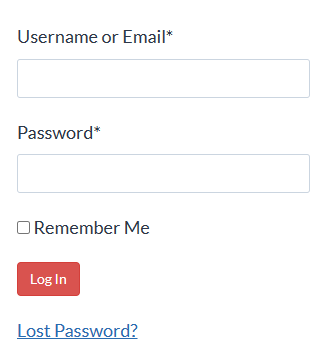
There’s also a Course Login button in the top menu on every page of my site:

Click here to see a 2-minute video tour of the lesson interface.
Email me your question at info@legalofficeguru.com — I’ll get back to you as quickly as I can.
The brief is due. The court rules are non-negotiable. The only thing that can change is whether you know how to make Word do what they’re asking.