Don’t let a hidden comment end up in
opposing counsel’s inbox.
Master Track Changes – and the rest of Word’s Review tab – so the only edits anyone sees are the ones you meant to send.
Every legal professional has a version of the same nightmare: you hit Send on a document, and somewhere buried inside it is a tracked change, an unresolved comment, or a chunk of metadata you forgot to scrub. Now opposing counsel – or worse, the client – is reading internal commentary that was never meant to leave the firm.
It happens. A lot. There’s a reason “embarrassing metadata leak” stories make the legal news every year.
And here’s the part nobody likes to admit: most of us learned Track Changes by clicking around and hoping for the best. Which is fine, until the day it isn’t.
Is this you?
- You’ve hit Send and then immediately wondered, Wait – did I accept all the changes? Did I clear the comments?
- Opposing counsel sends back a 90-page redline and you can’t tell what they actually changed without reading the whole thing twice
- You’re co-editing a brief with someone else in real time, and Track Changes starts doing something you didn’t expect, with no idea why
- You’re working on a document with another author and it’s starting to look like a kindergarten finger-painting
- Someone told you to “scrub the metadata before it goes out,” and you nodded, but you’re not 100% sure what that actually involves
- You’d love to compare two versions of a contract and see exactly what changed — without doing it line by squinting line
If any of that sounds familiar, this course is for you.
Track Changes is more than a button on the Review tab.
Most of what gets people in trouble isn’t Track Changes itself – it’s the other tools sitting right next to it that nobody bothered to explain. Document comparison. Editing restrictions. Metadata inspection. The settings that control who sees what and when.
Track Changes Plus walks you through the entire Review tab, in plain English, with examples drawn from actual legal documents. By the end, you’ll know:
- Exactly what’s getting tracked, what’s getting hidden, and what’s getting transmitted when you save and send — including what changes the moment you’re co-authoring with someone else in real time
- How to tell at a glance what changed in a redline — even one that’s 90 pages long — and which tool, Compare or Combine, to reach for before you even open the file
- How to lock down a document so co-editors can’t blow up your formatting
- How to scrub metadata cleanly before a document leaves the firm
If any of that sounds familiar, this course is for you.
What you’ll learn in Track Changes Plus
Two modules, twelve lessons, about 20 minutes of focused video plus illustrated text walkthroughs (Windows and Mac):
Module 1: Track Changes in Modern Word
- How Word collaboration works today — the two ways people actually work in a shared document these days (emailing files back and forth vs. real-time co-authoring in OneDrive or SharePoint), and why Track Changes behaves differently depending on which one you’re in
- Marking edits with Track Changes — turning it on and knowing exactly what gets tracked: insertions, deletions, formatting changes, moves
- Comments: inserting, replying, and resolving (rebuilt) — threaded replies, @mentioning a colleague to loop them in, and the difference between resolving a comment (hidden, but still in the record) and deleting it for good
- Controlling what markup you see — Simple Markup, All Markup, No Markup, Original, and why “No Markup” doesn’t mean your changes are gone
- Accepting and rejecting changes with confidence — by author, by change type, and what to do when two reviewers have marked up the same sentence in conflicting ways
- Compare vs. Combine: getting to a final redline — the decision tree for what to reach for the moment reviewed copies land back in your inbox, whether that’s two clean documents or a stack of tracked-changes copies
- Track Changes in real-time co-authoring — what changes when you and someone else are in the same document simultaneously, including the AutoSave surprises that catch people off guard
- Configuring Track Changes for your workflow — customizing author name and color, and enforcing Track Changes with a password so collaborators can’t quietly turn it off
Module 2: Document Security and Integrity
- Restricting edits: enforcement, formatting, and read-only — three ways to lock down a document, from a Track Changes password up through making it fully read-only with exceptions
- Understanding document metadata — what’s actually stored inside your files (author history, edit time, deleted comments, hidden text) before you ever touch the Document Inspector
- Scrubbing metadata with the Document Inspector — a systematic walkthrough of what each category catches, what it misses, and what you can’t undo
- Protecting documents with passwords and permissions — password-to-open vs. password-to-modify, their real limits, and when you need IRM (Information Rights Management) because neither password is strong enough
It’s the stuff that should have been part of your onboarding. We’ll handle that now.
Your Instructor

I’m Deborah Savadra, and I’ve spent 30 years in the legal industry as a legal assistant, paralegal, and software trainer. I’ve drafted thousands of legal documents and sat down at dozens of co-workers’ desks to untangle Word problems – including more than a few “oh no, did I just send that?” moments.
I’ve also lived through every staffing crunch and “do more with less” memo the legal industry has thrown at us. When you’re already stretched thin, the last thing you want is to be the person whose document made it into the next cautionary email forward.
The techniques in this course are the ones I’ve used for years to keep that from happening. Now they’re yours.
Stop hoping the metadata’s clean. Know it is.
In a world where you’re co-editing more documents than ever – and where one stray comment can become a problem you’ll spend the afternoon explaining – Track Changes confidence isn’t optional anymore.
Spend 20 minutes learning the Review tab properly, and you’ll never have to wonder what you forgot to strip out again.
Frequently Asked Questions
During checkout, you’ll provide your email and choose your own user ID and password. (Already enrolled in another one of my courses? Log in first so everything stays under one account.) Your purchase receipt arrives by email immediately and includes a link to the first lesson, plus detailed login instructions. The same link appears on the confirmation page after payment.
You’ll also get a series of follow-up emails that walk you through the course, with login instructions at the bottom of each one.
Go to https://legalofficeguru/login and use the login form:
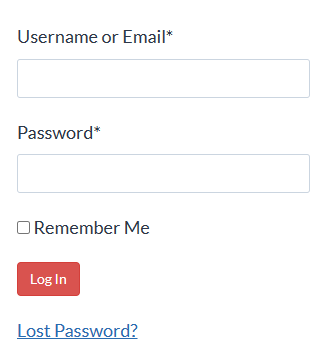
There’s also a Course Login button in the top menu on every page of my site:

Click here to see a 2-minute video tour of the lesson interface.
Email me your question at info@legalofficeguru.com — I’ll get back to you as quickly as I can.
The next document you send is the one you don’t want to be apologizing for.
Twenty minutes from now, you can stop guessing.